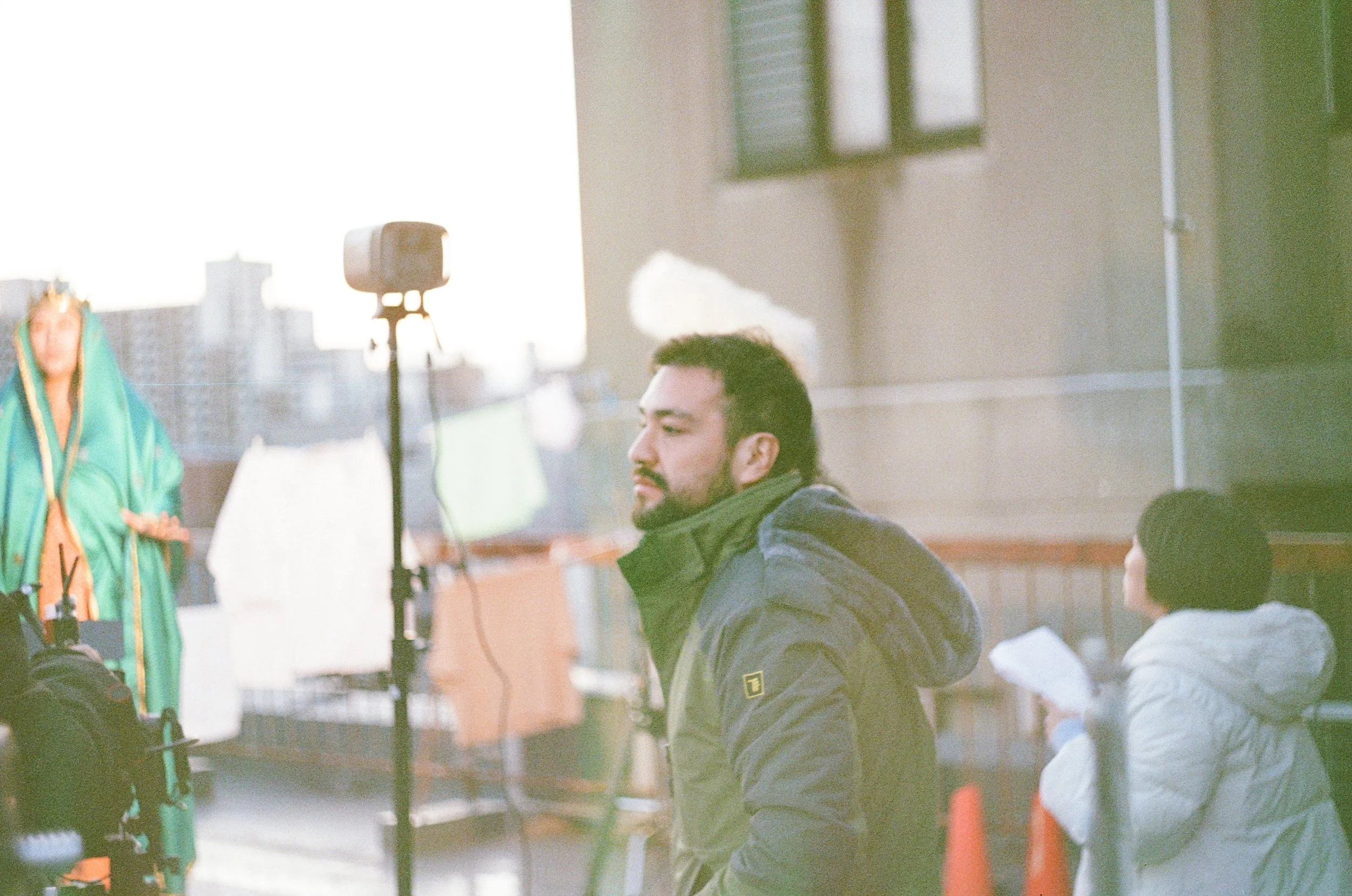
The Lord works in mysterious ways.
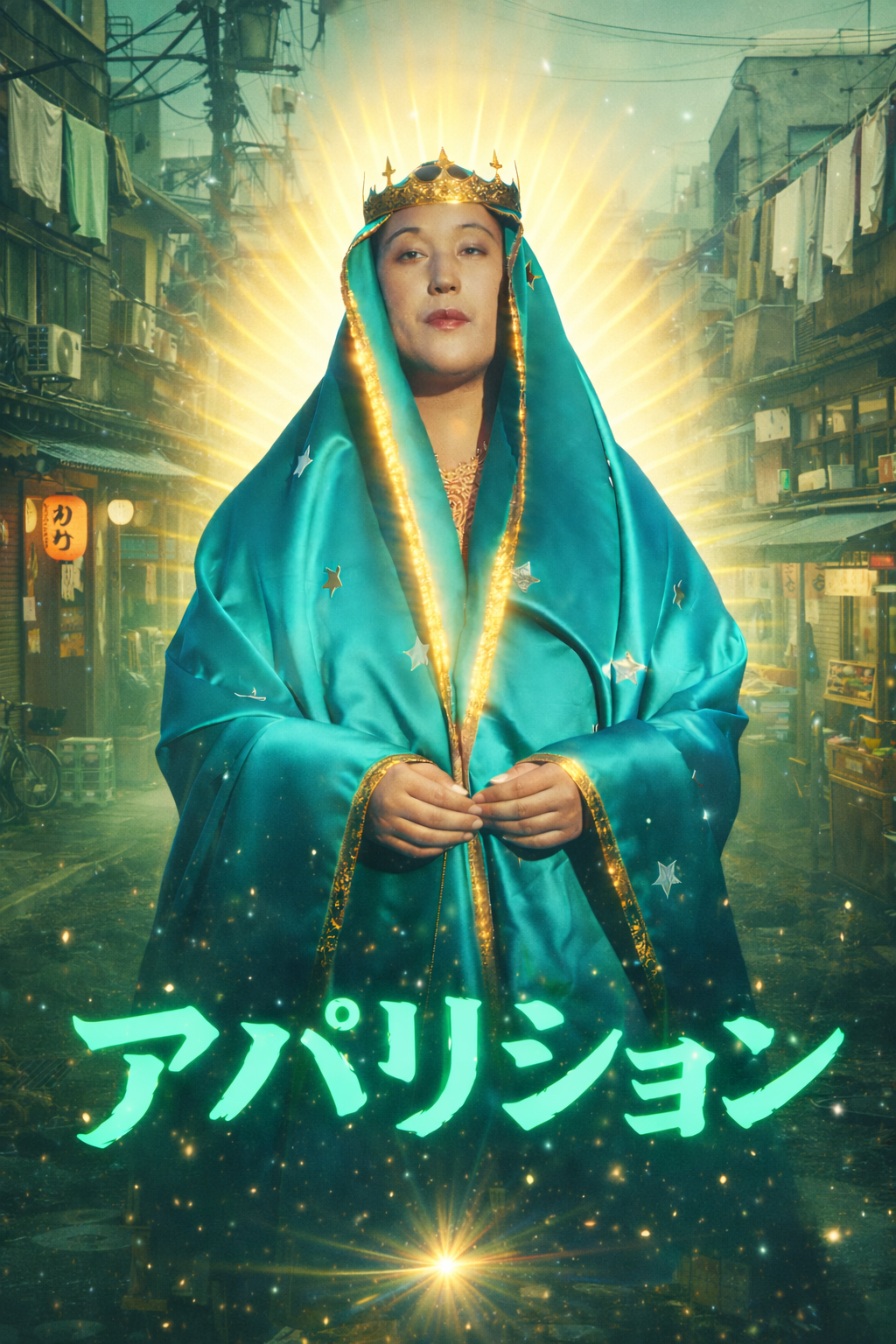
Apparition (2026) Short Film
• Director: Cuauhtémoc Velázquez López
• Runtime: 15 minutes
• Language: Japanese
• Country: Canada / Japan / Mexico
• Genre: Narrative Short, Magical Realism, Comedy
LOGLINE
A struggling Tokyo izakaya family prays for a miracle, and the Virgin Mary appears, bringing prosperity, confusion, and unexpected change.
What kind of spirituality do we need in the 21st century?

In a globalized world where rigid narratives no longer hold? The film uses a symbolic encounter between the Virgin Mary and everyday life in Japan to explore spirituality beyond dogma, reimagining belief as something shaped by culture, lived experience, and personal meaning. Through a cross cultural lens, it reflects on how religion exists in everyday life, how traditions transform when they travel, and how humor can coexist with the sacred. At its core, the film engages with questions of cultural identity, shared human experience, and the possibility of finding connection across differences in a transnational world.
Synopsis
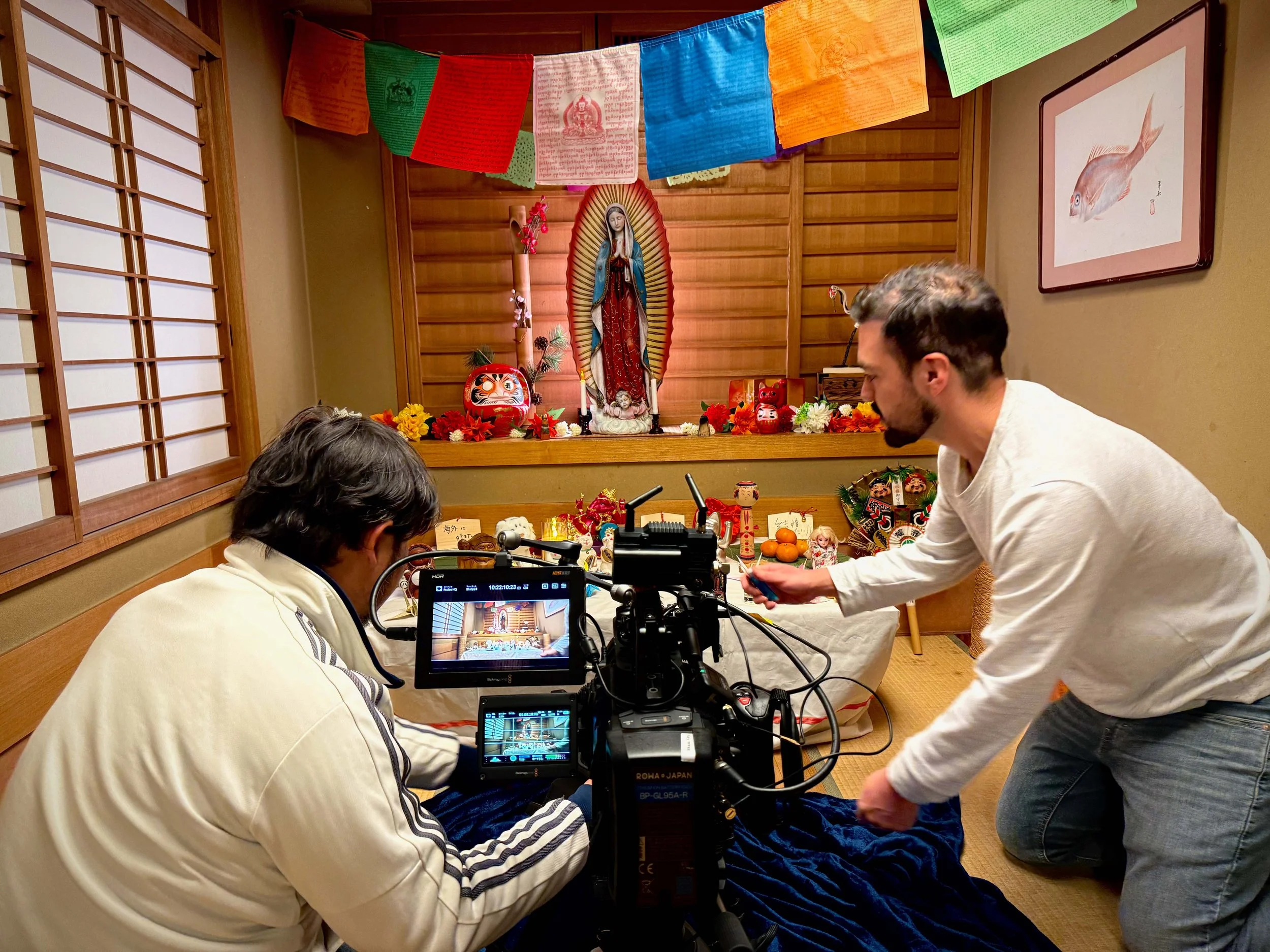
Set in a small Tokyo izakaya, Apparition follows a family on the brink of losing their restaurant. When their prayers for help are answered by the unexpected appearance of the Virgin Mary, their lives begin to shift in ways they cannot fully understand.
Blending humor and magical realism, the film explores how belief transforms across cultures, and how spirituality can exist within everyday life.
Director’s Statement
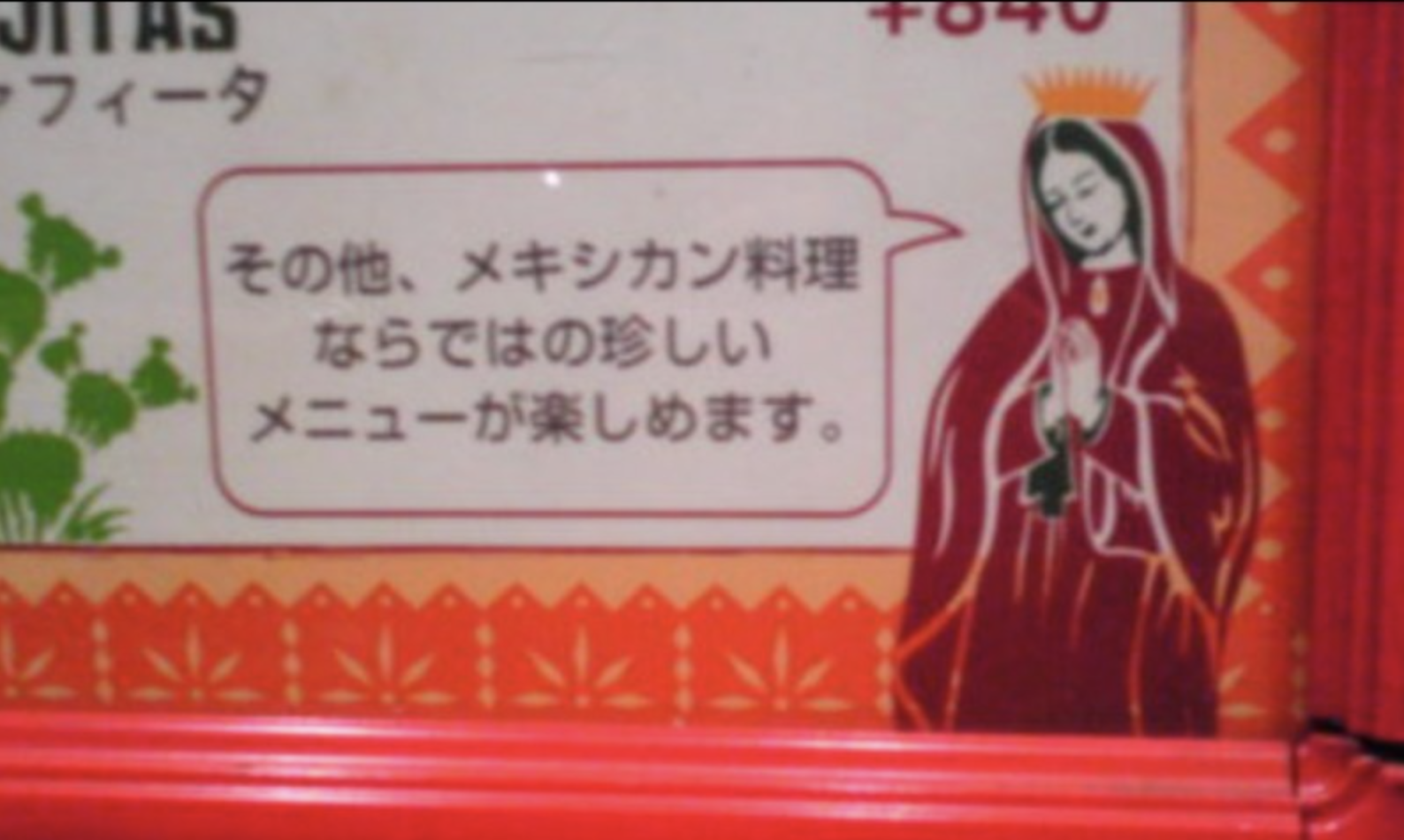
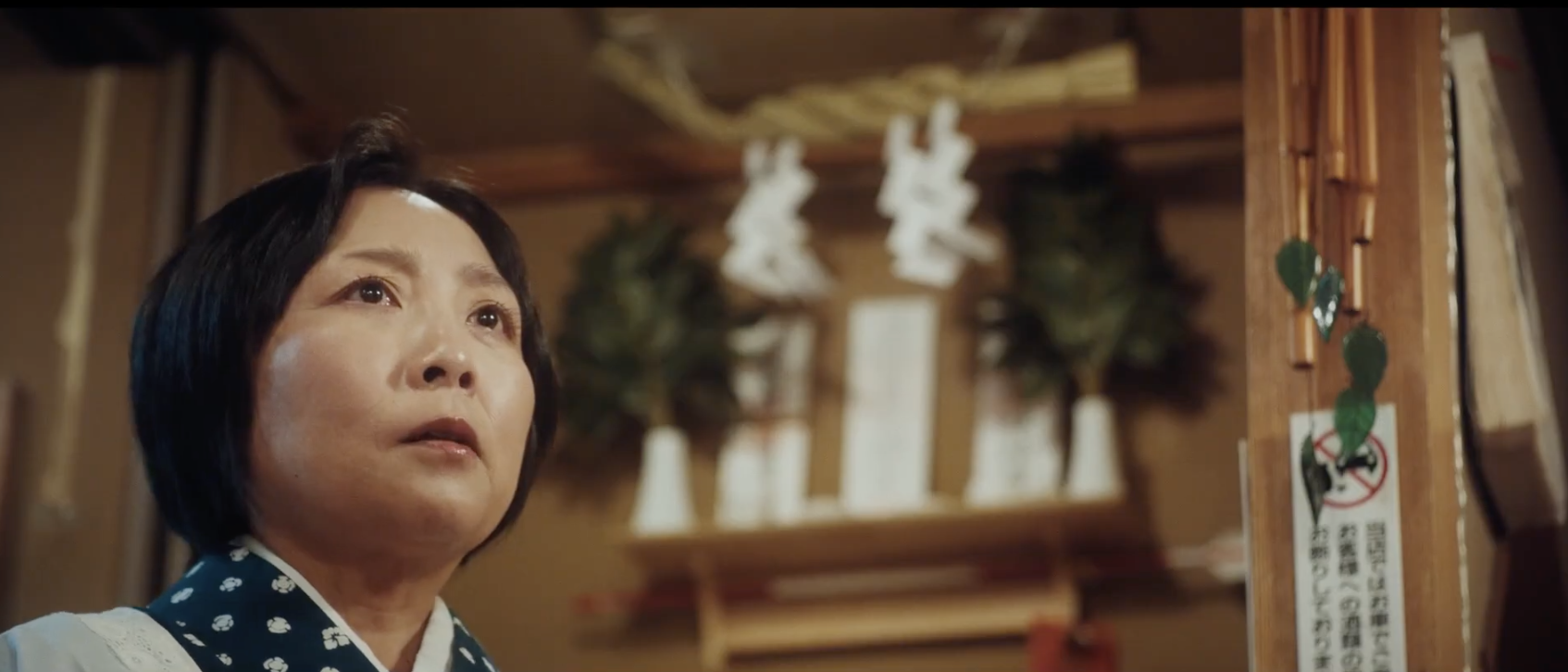
The idea for this film came from encountering an image of the Virgin Mary in a Mexican restaurant’s menu in Tokyo. It raised a simple question: what happens when a sacred figure appears outside of her expected cultural context?
Rather than approaching religion as doctrine, the film explores belief as a lived experience. Through humor and what I call “sacred silliness,” it suggests that spirituality is not fixed or distant, but something shaped by culture, everyday life, and personal meaning.
By bringing together Latin American magical realism and Japanese daily life, the film reflects on how different traditions can coexist, transform, and reveal shared human experiences.
-
Cuauhtémoc Velázquez López is a Canadian filmmaker born in Mexico whose work explores cultural identity, belief systems, and human connection through magical realism and humor. His films often place the extraordinary within everyday life, using cross-cultural encounters to question faith, tradition, and shared meaning.
He studied filmmaking at Universidad Iberoamericana in Mexico City and later pursued film production at the New York Film Academy. Over the past decade, his work has spanned narrative film, documentary, and television. Early in his career, he worked in news and documentary production for Canal Once, Mexico’s national public broadcaster.
While living in Japan, Cuauhtémoc produced short documentaries on traditional artisans for the Tokyo Conventions and Visitors Bureau, an experience that deeply shaped his visual language and narrative sensibility. His recent Canadian work includes The Queen of Color, a documentary supported by the Ontario Arts Council.
Through his films, Cuauhtémoc seeks to create stories that resonate across cultures, blending humor, spirituality without dogma, and moments of human contradiction to find common ground in unfamiliar places.
-
Originally from Japan, Haruko Fujimoto has built an award-winning portfolio of short films screened in both Japan and the U.S. Her narrative Okusama (2022) won Best Fiction at the CUNY Asian American Film Festival. Her documentary The (New) Normal (2023) was a finalist at the CUNY Film Festival and selected for the International Filmmaker Festival of New York.
A graduate of City College of New York, Haruko brings cross-cultural insight and storytelling instinct to every project—including Apparition, where her vision helped bring the international collaboration to life.
Creative process & Director’s personal Context
Apparition is not only a film, but also the result of a long personal journey through creative block. For many years, I struggled to bring ideas into form, carrying projects that remained unrealized. After undergoing heart surgery, my relationship to time, fear, and creative expression shifted in a fundamental way. It became clear that the greater risk was not failure, but not creating at all.
This film was an idea I had carried for over a decade. Making it required confronting internal patterns, doubts, and what I now understand as “creative blocks” that shape how we relate to our work. The process became a form of inquiry, both practical and emotional, into how creativity can be unblocked and sustained.
As a result, alongside the film itself, I have developed a growing body of reflections and tools around creative process, fear, and artistic expression. I am interested in conversations that explore not only the film, but also the inner work behind making it, particularly in relation to creativity, personal development, and overcoming long term creative resistance.